|
Using mud in modern cosmetology has proved a great success due to the abundance of its raw materials. This kind of cosmetology was known by the Pharaohs who not only used it in beautification but in curing some diseases as well.
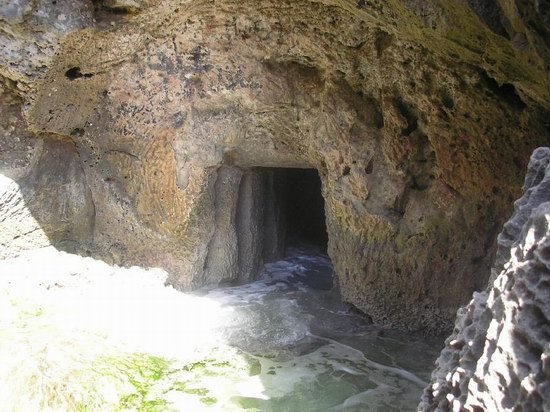
Mud was one of the most widely used cosmetic prescription by Queen Cleopatra whose well-known Hammam ( or bathroom) in the coastal city of Marsa Matrouh , has been one of the most attractive tourist and archaeological sites, making mud - beauty center spread in many villages and tourist areas in Egypt.
Cleopatra was also reported to store mud mixed with musk and fragrance in luxury vessels that looks like make-up cans being used nowadays so as to use it in beautifying her skin and coloring it with bronze.
Mud has also been the target of many scientific studies, for the purpose of finding out its secrets and how effective it is in cosmetics and treatment.
Also on temples' walls , there are inscriptions showing that the curly hair was the prevailing fashion among women during Pharaonic era where they used to cover hair with mud and wrapped it around small wooden rods to dry, consequently , ripples arise remaining unchanged for several days.
Moreover, clay contains a lot of important minerals such as iron, calcium, phosphorus and copper, hence classified according to its multi-colors which vary depending on the minerals included.
As for the mud colors, they range from the most famous green that contains magnesium oxide serving to cleanse skin and absorb fats. Second there is the red mud rich in Iron oxide which helps cell regeneration and fits dry complexion.
Regarding the white mud which suits the sensitive skin, it is abundant in flint sand and helps the body restore salts and get rid of toxins. While the yellow mud is marked by containing a high proportion of salts and being able to restore oxygen to the complexion making it the most appropriate for stressful skin.
Concerning the mud's blue color, it matches all complexion types due to its antiseptic properties that make skin bright . That type of clay helps the body excrete salts and water making it suitable for topical slimming by putting it on the fatty area. Last comes the black clay (sand Safaga) that contains a very high percentage of salts and is effective in ridding the skin of all skin diseases.
|